
"bitter coffee compounds"
700 article(s) found

The chemical action produced by each cup of coffee Chemistry in every cup
English sentences are too professional and difficult to translate! Wait for English experts to translate and submit Coffee has a conflicting reputation is it a guilty pleasure or a life saving elixir? Emma Davies gulps down an espresso and investigates In Short Drinking coffee has been associated with a variet

Effect of moderate Baking on Coffee Flavor
Following Cafe Review (official Wechat account vdailycom) found that the light roasting of fortified nutty caramel in Beautiful Cafe is milder because the fermented flowers and fruits retain the most sour aromas, so it is easy to smell the sour aroma of coffee. If you continue to bake, that is, from the end of the first explosion to the middle baking before the second explosion, or even the medium and deep baking from just to the second explosion, fermentation

How to Bake Coffee beans? several baking methods of coffee beans
When you buy roasted coffee beans, you will notice the color and shape of the coffee. if the beans are full and uniform, this is a properly roasted and good quality coffee. in addition, after baking for a period of time, oil will appear on the surface of the beans, but don't forget that even fresh coffee beans will appear on the surface after deep baking. We're talking about coffee roasting (
Detailed analysis of mineral carbohydrates in coffee beans
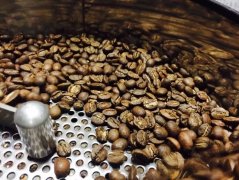
Moisture: the water content of coffee beans varies greatly with different processing stages and products. The moisture content of wet coffee beans with film is about 50%, while that of dried raw coffee beans is about 10%-13%. The water content of roasted coffee beans is only less than 5%. The existence of water in coffee beans is the same as other kinds of food and beverages, because it contains a considerable amount of hydration colloid macromolecules.

Detailed analysis of low molecular weight sugars in coffee beans
Moisture: the water content of coffee beans varies greatly with different processing stages and products. The moisture content of wet coffee beans with film is about 50%, while that of dried raw coffee beans is about 10%-13%. The water content of roasted coffee beans is only less than 5%. The existence of water in coffee beans is the same as other kinds of food and beverages, because it contains a considerable amount of hydration colloid macromolecules.

Detailed Analysis of Coffee Bean ingredients basic knowledge of Fine Coffee
Moisture: the water content of coffee beans varies greatly with different processing stages and products. The moisture content of wet coffee beans with film is about 50%, while that of dried raw coffee beans is about 10%-13%. The water content of roasted coffee beans is only less than 5%. The existence of water in coffee beans is the same as other kinds of food and beverages, because it contains a considerable amount of hydration colloid macromolecules.

Espresso | what is the effect of changing the water temperature of the Italian machine on espresso
Decades of trial and error have shown that most people prefer to use 85-95C water to make espresso. For lighter roasted coffee, the temperature range is usually narrower than 90-95C. However, in this small range, there are still quite a lot of taste differences to be explored. The higher the temperature, the lighter the sweetness of the coffee and the stronger the acidity; the lower the temperature can reduce the scorching taste when roasting, otherwise the coffee will be more acidic.

Detailed analysis of the ingredients of coffee beans general knowledge of fine coffee
Moisture: the water content of coffee beans varies greatly with different processing stages and products. The moisture content of wet coffee beans with film is about 50%, while that of dried raw coffee beans is about 10%-13%. The water content of roasted coffee beans is only less than 5%. The existence of water in coffee beans is the same as other kinds of food and beverages, because it contains a considerable amount of hydration colloid macromolecules.

Coffee roasting | Maillard reaction
[definition of roasting] the so-called coffee roasting (coffee roasting) refers to the process that through heating the raw beans, a series of physical and chemical reactions take place inside and outside of the coffee beans, and in this process, the sour, bitter, sweet and other flavors of the coffee are formed, forming mellowness and hue, and the raw beans are converted into dark brown beans. [Maillard reaction] what is it? Actually, it's simple.

Chemical reaction and temperature during coffee roasting changes of reactive substances in coffee roasting process
Professional coffee knowledge exchange more coffee bean information please follow the coffee workshop (Wechat official account cafe_style) professional coffee roasting | coffee roasting is too complicated? A picture teaches you how the baking process reacts to the chemical composition of the baking. Sucrose: melting point 187.8 ℃-sugar? Complex = caramelization-water CO2 escapes to produce an explosive First Crack phenomenon. I'm in the roaster.

Where does the bitterness in premium coffee come from?
A cup of coffee is a complex drink made up of more than 30 chemicals that determine the taste, aroma and acidity of the coffee. Since the 1930s, scientists have isolated and identified a variety of chemicals related to the sensory composition of coffee, but no one can figure out what makes coffee so bitter. In order to solve this mystery, science has to cook.

Detailed analysis of carbohydrates in coffee beans
★ moisture: the water content of coffee beans varies greatly with different processing stages and products. The moisture content of wet coffee beans with film is about 50%, while that of dried raw coffee beans is about 10%-13%, and that of roasted coffee beans is only less than 5%. The existence of water in coffee beans is the same as other kinds of food and beverages, because it contains a considerable amount of hydration colloid macromolecules.
Detailed Analysis of the components of Fine Coffee
★ moisture: the water content of coffee beans varies greatly with different processing stages and products. The moisture content of wet coffee beans with film is about 50%, while that of dried raw coffee beans is about 10%-13%, and that of roasted coffee beans is only less than 5%. The existence of water in coffee beans is the same as other kinds of food and beverages, because it contains a considerable amount of hydration colloid macromolecules.
Detailed Analysis of the components of Fine Coffee Bean
★ moisture: the water content of coffee beans varies greatly with different processing stages and products. The moisture content of wet coffee beans with film is about 50%, while that of dried raw coffee beans is about 10%-13%, and that of roasted coffee beans is only less than 5%. The existence of water in coffee beans is the same as other kinds of food and beverages, because it contains a considerable amount of hydration colloid macromolecules.
Analysis of coffee composition where does the bitterness in coffee come from
A cup of coffee is a complex drink made up of more than 30 chemicals that determine the taste, aroma and acidity of the coffee. Since the 1930s, scientists have isolated and identified a variety of chemicals related to the sensory composition of coffee, but no one can figure out what makes coffee so bitter. In order to solve this mystery, science has to cook.
Basic knowledge of coffee where does the bitterness in coffee come from
A cup of coffee is a complex drink made up of more than 30 chemicals that determine the taste, aroma and acidity of the coffee. Since the 1930s, scientists have isolated and identified a variety of chemicals related to the sensory composition of coffee, but no one can figure out what makes coffee so bitter. In order to solve this mystery, science has to cook.

Where does the bitterness in the coffee come from? Why is coffee bitter?
A cup of coffee is a complex drink made up of more than 30 chemicals that determine the taste, aroma and acidity of the coffee. Since the 1930s, scientists have isolated and identified a variety of chemicals related to the sensory composition of coffee, but no one can figure out what makes coffee so bitter. In order to solve this mystery, science has to cook.
What makes coffee smell? How do we smell coffee?
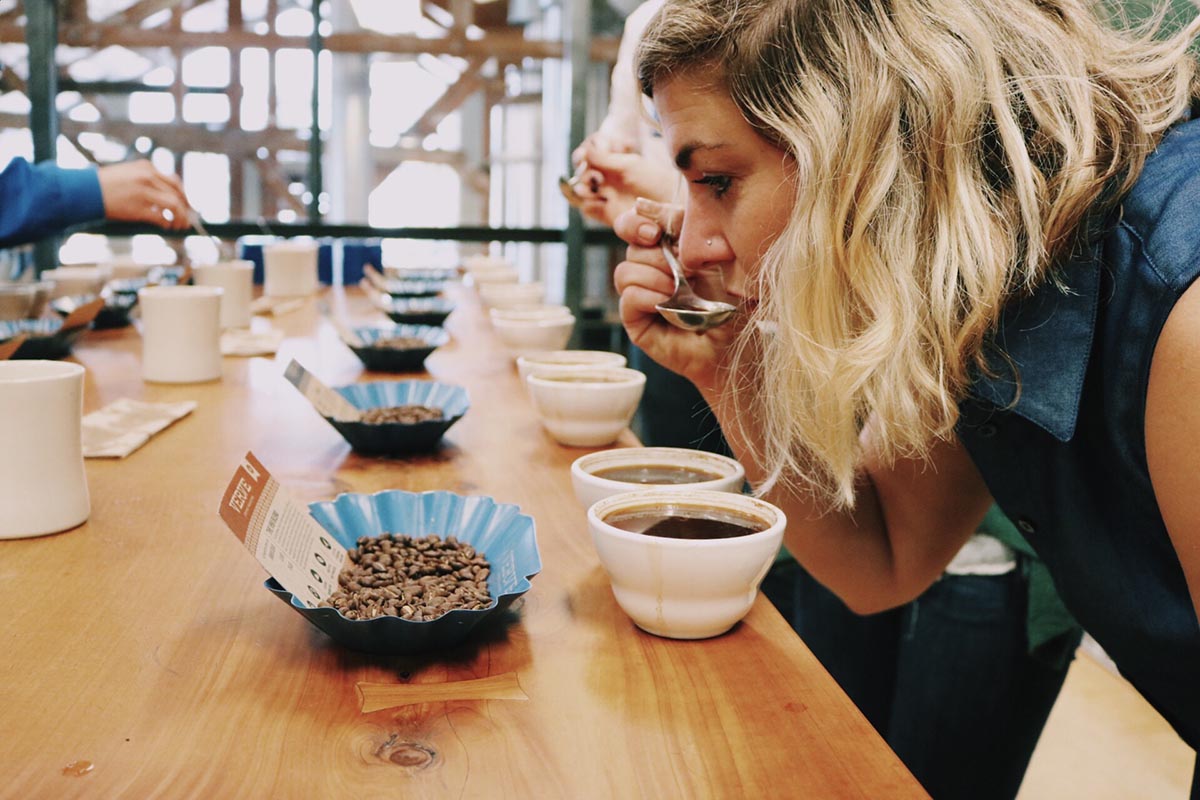
Professional coffee knowledge exchange More coffee bean information Please pay attention to coffee workshop (Weixin Official Accounts cafe_style) We enjoy the unique flavor and rich aroma of coffee, chocolate, caramel, nuts, fruits and flowers, which may be felt when brewing coffee or sipping coffee, but what chemical reaction is there? Each sensory trait is produced by different chemical and biological processes.
Knowledge of high-quality coffee beans detailed analysis of the components of coffee beans
★ moisture: the water content of coffee beans varies greatly with different processing stages and products. The moisture content of wet coffee beans with film is about 50%, while that of dried raw coffee beans is about 10%-13%, and that of roasted coffee beans is only less than 5%. The existence of water in coffee beans is the same as other kinds of food and beverages, because it contains a considerable amount of hydration colloid macromolecules.

Detailed analysis of the ingredients of coffee beans what are the ingredients in a coffee bean?
★ moisture: the water content of coffee beans varies greatly with different processing stages and products. The moisture content of wet coffee beans with film is about 50%, while that of dried raw coffee beans is about 10%-13%, and that of roasted coffee beans is only less than 5%. The existence of water in coffee beans is the same as other kinds of food and beverages, because it contains a considerable amount of hydration colloid macromolecules.